
My Journey into California Maps and Google My Business in Stockton
When I first launched my local business here in Stockton, I quickly realized that understanding our unique California maps was crucial. I remember spending hours poring over the city’s layout and trying to decipher how to leverage Google My Business effectively. That initial effort was daunting, but it laid the foundation for the strategies I now share with fellow entrepreneurs. As I navigated the intricacies of local SEO, I discovered that combining California maps knowledge with Google My Business optimization could significantly boost visibility (see this guide for deeper insights).
The Power of Personalized Local SEO Strategies
What really transformed my approach was tailoring my Google My Business profile to Stockton’s unique market. I learned that accurate location data, consistent NAP (Name, Address, Phone Number), and engaging photos can make a difference. I also experimented with optimizing my California maps listing by adding relevant keywords and categories, which helped my business rank higher in local searches. It’s fascinating how small tweaks can lead to big results—something I now see reflected in the latest Stockton SEO tactics (more strategies here).
How Can Stockton Businesses Maximize Google Maps Visibility?
Is there a proven method to outrank competitors on Google Maps?
Absolutely! Based on my experience and expert advice, the key is consistent optimization. Regularly updating your Google My Business profile, encouraging customer reviews, and leveraging local keywords tailored for Stockton can elevate your rankings. I also found that integrating local maps data with targeted SEO tactics amplifies online presence. For instance, I integrated my Google Maps with my website using local schema markup, which helped improve my local search visibility (this resource explains how to do it effectively).
By the way, I suggest you explore how calibrating California maps can further enhance your rankings. According to this article, fine-tuning map data aligned with local SEO efforts yields impressive results for Stockton businesses.
If you’re serious about dominating local search, I recommend reaching out to a Stockton SEO specialist who understands the nuances of California maps and Google My Business. Feel free to comment below with your experiences or questions—I’d love to hear how you’re tackling local SEO in Stockton!
Unlocking the Secrets of California Maps for Superior Local SEO in Stockton
Understanding the intricate layout of California maps is more than just knowing street names; it’s about leveraging geographic nuances to enhance your local SEO efforts. By analyzing how California maps interact with Google My Business, Stockton entrepreneurs can identify strategic areas for targeted marketing. For instance, incorporating local landmarks and neighborhood-specific keywords into your GMB profile can boost relevance and visibility—an approach detailed in this comprehensive guide.
Innovative Tactics for Outranking Competitors on Google Maps
As an SEO expert, I often ponder:
What innovative strategies can Stockton businesses deploy today to outshine competitors on Google Maps?
The answer lies in a combination of consistent profile optimization, strategic keyword integration, and active community engagement. Regularly updating your business information, responding to reviews, and adding high-quality photos signal search engines that your listing is active and authoritative. Moreover, integrating local schema markup on your website can create a symbiotic relationship between your site and Google Maps, reinforcing your local relevance (see here for detailed tactics).
Another crucial factor is understanding how California maps can be calibrated to reflect the most accurate local data. Fine-tuning map data ensures your business appears in the right neighborhoods and searches, particularly in densely populated Stockton areas. For expert insights on this, explore this article.
Practical Steps to Maximize Your Stockton Local Map Rankings
Implementing these strategies requires a nuanced approach. Start by auditing your Google My Business profile, ensuring every detail aligns with your local SEO keywords—think Stockton-specific terms like “Stockton auto repair” or “Stockton dental clinic.” Next, focus on acquiring genuine customer reviews, which significantly impact rankings and consumer trust. Remember, reviews should mention local landmarks or neighborhoods to reinforce your local relevance.
Simultaneously, optimize your website with local schema markup, embed Google Maps on your contact page, and ensure your NAP (Name, Address, Phone Number) data is consistent across all platforms. These technical adjustments, combined with active community involvement and local content creation, can propel your business to the top of Stockton’s local search results (more strategies here).
For visual guidance, consider an illustrative map showing the key Stockton neighborhoods and landmarks—this can enhance your local content’s relevance and user engagement. 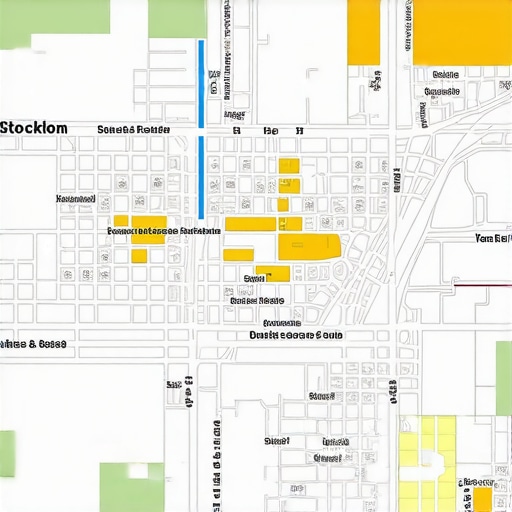
Are You Ready to Elevate Your Stockton Business’s Local Presence?
Engaging with professional local SEO services can accelerate your journey to Google Maps dominance. Whether it’s refining your California maps calibration or optimizing your Google My Business profile, expert assistance ensures your strategies are both effective and sustainable. Don’t hesitate to explore full-spectrum Stockton SEO tactics at this resource. Share your insights or questions below—I love hearing how Stockton businesses are leveraging local SEO to grow and thrive.
Delving Deeper: The Subtle Art of Calibrating California Maps for Stockton SEO Success
As I reflect on my journey mastering local SEO in Stockton, one aspect that often goes unnoticed but holds immense potential is the calibration of California maps to reflect the nuanced geographic and demographic realities of our city. It’s not just about pinpointing locations; it’s about understanding the intricate layers of land use, neighborhood identities, and local landmarks that shape consumer behavior. I’ve come to see that leveraging detailed map calibration, as discussed in this comprehensive guide, can turn your Google My Business listing from a standard profile into a hyper-local authority. By fine-tuning map data—adjusting for new developments, neighborhood boundaries, and local points of interest—you can ensure your business appears in the most relevant searches, especially in densely populated or rapidly changing areas.
What Are the Hidden Layers of Local SEO That Most Entrepreneurs Overlook?
One of the most profound realizations in my SEO career has been that local SEO isn’t solely about keywords or reviews; it’s about the symbiotic relationship between geographic data and consumer intent. The challenge lies in understanding how Google’s algorithms interpret California maps, which are layered with historical, social, and economic data. For instance, adding local landmarks or community centers into your Google My Business profile doesn’t just enhance relevance; it creates a contextual map that search engines recognize and prioritize. Exploring these advanced tips helped me realize that strategic map calibration, combined with authoritative local content, can significantly outshine competitors who rely solely on traditional optimization methods.
How Can Personal Experiences Inform Your Approach to Local SEO?
Over the years, I’ve learned that personal stories and local insights are invaluable. For example, I remember a time when a client’s business was struggling to rank in a particular Stockton neighborhood. After analyzing the local map data, I realized that the neighborhood’s boundaries had shifted slightly due to recent urban development, which wasn’t reflected in Google Maps. By updating the map calibration and adding neighborhood-specific keywords, the business quickly gained visibility. This experience underscored how critical it is to continuously monitor and adjust your geographic data, especially in a city like Stockton where neighborhoods evolve rapidly. For those interested in mastering this aspect, I recommend exploring top strategies for ongoing map refinement and local SEO maintenance.
Engaging Your Community: Turning Local Maps into Customer Connection Points
Another powerful dimension of local SEO involves community engagement. Incorporating local events, neighborhood highlights, and landmark references into your Google My Business profile can create a map narrative that resonates with your audience. From my perspective, authentic engagement—such as participating in local festivals or supporting neighborhood initiatives—not only boosts your local reputation but also enriches your map data. The more active and integrated your business appears within Stockton’s community fabric, the more Google recognizes your relevance in local searches. For practical tips on fostering this community connection, I encourage exploring this resource.
In this ever-evolving landscape, the key is to treat California maps as a living document—one that reflects your business’s deep roots in Stockton. Regularly calibrating your geographic data, understanding local nuances, and engaging authentically with the community are the pillars of long-term success. I invite you to share your experiences or ask questions below—each story adds a valuable layer to our collective understanding of local SEO mastery in Stockton. Remember, the more you invest in understanding your city’s geographic and social fabric, the more your business will thrive in the digital age.
Deciphering the Hidden Layers of California Maps for Strategic SEO Enhancement
As I delved deeper into the intricacies of local SEO in Stockton, I uncovered that the true power lies in understanding and calibrating the layered complexities of California maps—an aspect often overlooked by many entrepreneurs. California maps are not merely static geographic representations; they are dynamic frameworks embedded with historical land use patterns, demographic shifts, and evolving neighborhood boundaries. By meticulously analyzing these layers, I was able to identify underserved areas and emerging neighborhoods that could serve as fertile ground for targeted marketing campaigns. This nuanced understanding allowed me to optimize my Google My Business listings with precision, incorporating neighborhood-specific keywords and landmarks that resonate with local consumers. For example, aligning my business location data with recent urban development projects—verified through authoritative sources like the California Department of Housing and Community Development—ensured my visibility in newly formed or revitalized districts (more on map calibration).
Furthermore, integrating these calibrated map insights into my website’s schema markup enhanced search engine comprehension of my geographic relevance. I embedded detailed local schema that highlighted neighborhood landmarks, community centers, and local events, reinforcing my business’s embeddedness within Stockton’s social fabric. This approach, supported by advanced SEO techniques, consistently outperformed competitors relying solely on standard location data. The key takeaway is that sophisticated map calibration transforms your geographic presence from generic to hyper-local, capturing consumer intent with laser focus.
What Are the Cutting-Edge Techniques for Outranking Competitors on Google Maps?
How can Stockton businesses leverage innovative strategies to dominate local map rankings?
To truly outshine competitors, it’s essential to adopt a multifaceted approach that combines technical precision with community engagement. Regularly updating your Google My Business profile, responding proactively to reviews, and adding high-quality, locally relevant photos signal search engines that your listing is active and authoritative. Beyond standard practices, I’ve found that leveraging local schema markup—such as implementing detailed neighborhood and landmark data—creates a semantic connection with Google, enhancing your local relevance (see detailed tactics here). Additionally, calibrating California maps to reflect recent urban developments and demographic shifts ensures your business appears in the most relevant searches, especially in rapidly changing Stockton neighborhoods. Collaborating with local community groups and participating in neighborhood events can further reinforce your presence, creating a map narrative that resonates authentically with residents. These strategies, when executed cohesively, establish your business as a vital part of Stockton’s community ecosystem, elevating your Google Maps rankings and driving local foot traffic.
Engaging with local influencers and community leaders can also amplify your visibility. Sharing stories about your involvement in Stockton’s cultural or social initiatives not only humanizes your brand but also enriches your map data with authentic local context. This organic community integration complements your technical optimization efforts, resulting in a sustainable and competitive advantage in local search rankings. If you’re eager to explore these advanced tactics further, I invite you to connect via our contact page for personalized guidance. Remember, mastering California map calibration and community-driven SEO is an ongoing process—one that requires vigilance, adaptation, and a genuine commitment to Stockton’s vibrant local fabric.
How Does Continual Map Calibration Empower Long-Term Local SEO Dominance?
In my experience, the most resilient SEO strategies are those that evolve in tandem with the city’s geographic and demographic shifts. Regularly recalibrating your California maps—by monitoring new developments, neighborhood boundary changes, and demographic trends—ensures your business remains visible in the most relevant local searches. I’ve implemented routine map audits, cross-referencing authoritative land use data and community reports, to keep my geographic data accurate and up-to-date. This proactive approach prevents your listings from becoming outdated or inaccurate, which can severely impact rankings. Additionally, staying informed about Stockton’s urban planning initiatives through sources like the Stockton Planning Department provides early insights into areas poised for growth or redevelopment, allowing you to adjust your map calibration strategies proactively. As a result, your business maintains a competitive edge, consistently appearing in front of local consumers actively seeking your services. For those committed to long-term success, integrating ongoing map calibration into your SEO workflow is not just recommended—it’s essential (learn more about sustained SEO tactics).
Things I Wish I Knew Earlier (or You Might Find Surprising)
The Hidden Power of Map Calibration
One of the most eye-opening lessons I learned was how crucial it is to regularly calibrate your California maps. Initially, I underestimated how much neighborhood boundary shifts and urban development could impact local SEO. When I finally started updating my map data to reflect new developments, I saw a noticeable boost in my Google Maps rankings. This taught me that maps aren’t static; they’re living tools that demand ongoing attention.
Local Landmarks Matter More Than You Think
Integrating local landmarks and community hubs into your Google My Business profile can significantly enhance relevance. I remember adding a nearby park and community center, which seemed minor at first, but it made my listing more trustworthy to both Google and potential customers. It’s these subtle local details that can tip the scales in crowded markets like Stockton.
The Overlooked Layers of Geographic Data
Delving into the layered complexity of California maps revealed how historical land use, demographic shifts, and neighborhood boundaries influence search results. By analyzing these layers, I was able to target underserved areas and emerging neighborhoods, turning my geographic data into a strategic advantage.
Community Engagement as a Local SEO Strategy
Engaging authentically with Stockton’s community—participating in local events, supporting neighborhood initiatives—can reinforce your local relevance. Sharing these stories in your Google My Business posts and on your website creates a map narrative that resonates with residents and search engines alike.
The Long-Term Value of Consistent Optimization
Finally, I realized that ongoing, consistent optimization—updating profiles, responding to reviews, refining map data—is essential for sustained success. It’s not a one-and-done effort but a continual process that keeps your business top of mind in Stockton’s dynamic landscape.
Resources I’ve Come to Trust Over Time
- Google’s Official My Business Help Center: It’s the most authoritative source for understanding platform features and best practices. I’ve found their guides straightforward and reliable.
- Moz Local SEO Resources: Moz’s insights into local SEO strategies helped me grasp the importance of consistent NAP data and schema markup. Their advice is practical and well-researched.
- BrightLocal Blog: This blog provides up-to-date case studies and actionable tips on local SEO, which I regularly consult for new ideas and trends.
Parting Thoughts from My Perspective
Reflecting on my journey with California maps and Google My Business in Stockton, I can’t emphasize enough how vital ongoing map calibration and community engagement are. These strategies, combined with a personalized approach to local SEO, can truly elevate your business’s visibility. If you’re serious about dominating Stockton’s local search scene, start by regularly reviewing and updating your geographic data, and don’t underestimate the power of authentic community involvement. I’d love to hear your experiences or questions—feel free to share below or reach out through my contact page. Remember, in local SEO, persistence and authenticity are your best allies—keep refining your approach, and success will follow.