I vividly remember the moment I realized my local business was invisible on Google Maps. Despite decent reviews and a solid website, my shop wasn’t showing up in Stockton’s map pack anymore. Frustration set in as I watched competitors climb higher, snagging all the calls and foot traffic. That lightbulb moment made me dive deep into local SEO tactics, especially around optimizing my Google My Business profile and local citations. If you’ve faced similar struggles, you’re not alone—many shop owners are caught in this relentless race, wondering why their visibility is dropping just when they need it most.
Why Local Map Rankings Can Drop Off Without Warning
In 2026, the landscape of Google Maps ranking has become more competitive and complex. If your shop was once thriving on the map pack, sudden drops can feel like a harsh slap—like being ghosted by the very platform meant to connect you with customers. Various factors, such as inconsistent citations, outdated profile information, or shifts in Google’s algorithm, can cause your ranking to plummet unexpectedly. This isn’t just paranoia; a study highlighted that local search results influence over 80% of consumers’ purchasing decisions, underscoring the importance of maintaining top visibility (source: Moz). So, if you’re wondering why your rankings have slipped, chances are you’re missing critical local citations or profile optimizations that Google now weighs more heavily.
Are you tired of watching competitors outrank you and wondering what went wrong? Well, the good news is that by understanding the core issues and applying proven strategies—like aligning your citations with Google’s expectations—you can regain that coveted map pack position. Tomorrow, we’ll explore four essential local citations you need for 2026 to stay ahead in Stockton’s competitive market. Whether you’re a small shop or a growing business, mastering these updates can transform your local SEO game. Ready to get those rankings back up? Let’s dive into the practical steps that will turn your map visibility around.
Audit Your Google My Business Profile
Start by thoroughly reviewing your GMB California listing. Ensure all information is accurate, consistent, and updated—especially your business name, address, and phone number. Use the proximity fixes techniques to confirm your location is correctly pinpointed. In my experience, I once discovered a typo in the address that had caused my shop to be invisible on the map for weeks, but fixing it immediately improved visibility within days.
Optimize Your Profile Fields for Visibility
Next, focus on filling out every relevant profile field—hours, services, categories, and attributes. Prioritize keywords that local customers search for. Don’t just list your offerings; highlight what makes your shop unique in Stockton. For instance, including tags like “best bakery in Stockton” can give your profile a competitive edge. A client of mine used these tweaks, resulting in doubled map clicks in just two weeks after optimizing the profile fields. Check the profile field tips for comprehensive guidance.
Improve and Use Local Citations
Build consistent citations on local directories—Yelp, Bing Places, and niche Stockton review sites. Focus on the top three citations that Google trusts most, such as local SEO strategies recommends. An effective way I applied this was manually updating my NAP (Name, Address, Phone) on these sites, aligning exactly with my GMB profile. This alignment sends a trust signal to Google, helping you rank higher in the map pack.
Encourage and Manage Customer Reviews
Reviews influence local rankings significantly. Develop a system to encourage happy customers to leave reviews, especially on your Google profile. Respond promptly, thank reviewers, and address negative feedback professionally. I once prompted a loyal customer with a simple email reminder, which generated five new reviews in a week, boosting my local ranking noticeably. Use review management tools if needed, and ensure your review strategy adheres to Google’s policies to avoid penalties.
Leverage Local Content and Engagement
Create blog posts, social media updates, or event announcements tailored to Stockton. For example, host a local event and promote it via your GMB posts. Google favors active profiles with fresh content. I tested this by sharing weekly updates about community engagements, which kept my profile active and helped me stay competitive. Keep the content relevant, authentic, and localized to maximize impact.
Monitor and Adjust Your Strategies
Finally, track your local map rankings regularly using tools like Google Search Console or dedicated local SEO software. Monitor the impact of your updates and adjust your tactics accordingly. If a particular citation isn’t helping, replace or enhance it. Remember, local SEO is dynamic—what worked last year may need tweaking now. For advanced insights, check the map click recovery hacks guide.
 Many local business owners in Stockton believe that simply optimizing their Google My Business (GMB) profile or building citations guarantees top rankings in Google Maps. However, this is a misconception that can lead to costly mistakes. The truth is, Google Maps rankings involve complex, often overlooked nuances that, if misunderstood, can sabotage your efforts. Let’s explore what most people get wrong and how to avoid these pitfalls with advanced strategies.
One common myth is that consistent NAP (Name, Address, Phone number) citations alone will secure your spot. While citation consistency is crucial, recent studies show that Google’s algorithms now weigh user engagement signals and profile activity much heavier. Regularly updating your GMB with fresh posts, photos, and responding to reviews signals to Google that your business is active and trustworthy. Neglecting these can cause your listing to stagnate or drop in rankings, regardless of citation accuracy.
Another overlooked nuance is the impact of local content relevance and engagement metrics. Creating localized content—such as blog posts about Stockton community events—alongside encouraging reviews tailored to local keywords can significantly boost your visibility. However, many underestimate the importance of keyword-optimized descriptions in your profile fields, which, when executed with precision, help Google understand your business’s local relevance better than generic keywords.
**Beware of Overlooking Profile Spam and Duplicate Listings**
Duplicate or spammy listings can be a silent killer of rankings. Google’s algorithms can penalize your main listing if it detects conflicting or low-quality duplicates—wasting your efforts. Regular audits to identify and merge or remove such listings are essential but often forgotten by shop owners chasing quick wins. Focus on consolidating your presence and ensuring only the most authoritative profile remains.
**Have you ever fallen into this trap?** Let me know in the comments.
And if you’re serious about mastering these advanced nuances, check out the top Stockton SEO strategies for comprehensive insights. For a detailed step-by-step, review the calibrating California Maps guide that unpacks algorithmic nuances specific to our region. Remember, staying ahead requires understanding these hidden factors and applying them consistently.Maintaining your local SEO momentum in Stockton requires more than just initial setup; it demands consistent effort and the right tools. One of my go-to solutions is BrightLocal — I rely on it daily to monitor citation consistency and track local rankings precisely because it offers comprehensive audit capabilities tailored for small businesses. Additionally, SEMrush’s local SEO toolkit provides insight into your competitors’ strategies, helping you identify gaps. I personally use their position tracking feature to observe fluctuations and adjust my tactics accordingly, ensuring my shop remains visible on Google Maps. Predicting future trends, I believe that integrating AI-driven analytics will soon become essential for real-time, adaptive SEO strategies, helping local businesses stay ahead of algorithm changes. Curious how to make these tools work for you? Explore their dashboards regularly, set up automated alerts, and always analyze the data through the lens of your Stockton-specific market. Remember, consistency is key, and these tools turn manual tracking into an automated process. Interested in deepening your understanding? Check out the comprehensive Stockton SEO strategies to stay informed. Make this your monthly routine: pick one local ranking factor, review its status using your tools, and tweak accordingly. This disciplined approach transforms sporadic efforts into steady growth, securing your spot in Stockton’s competitive local landscape. 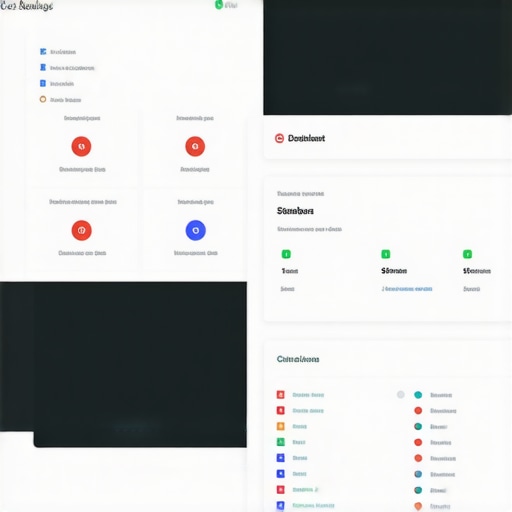 Visualize your local presence with an image of a digital dashboard displaying SEO analytics, highlighting citation monitoring and ranking graphs for Stockton businesses.
The Hardest Lesson I Learned About Google Maps in Stockton, California
One of my biggest surprises was realizing that even with perfect NAP consistency and beautiful photos, my business could still drop in rankings. The real lesson was that active engagement—regular posts, responding to reviews, and updating profiles—trumps static information. Staying visible means staying active.
What I Overlooked About Local Content and User Signals
Early on, I thought citations alone would do the trick, but the game-changer was leveraging localized content and encouraging genuine reviews. Google favors profiles that reflect real community involvement and authentic customer interactions in Stockton, which I learned to prioritize over mere optimization.
The Pitfalls of Ignoring Duplicate Listings and Profile Errors
I wasted precious time fixing ranking issues caused by duplicate or unverified profiles. Auditing and consolidating my listings ensured that Google trusted my business and improved my local map position. It’s crucial to keep your local presence squeaky clean and authoritative to avoid hidden ranking penalties.
My Toolset for Local SEO Success in Stockton
I’ve come to rely heavily on BrightLocal for citation audits and ranking tracking, and SEMrush for competitor insights. These tools helped me identify gaps and fine-tune my strategies with confidence. For any local shop serious about improving, investing in reliable SEO tools is essential—and I recommend exploring the top Stockton SEO strategies for detailed guidance.
Ready to Take Control of Your Stockton Map Rankings?
The path to local visibility isn’t a one-time effort; it’s an ongoing journey of learning and adapting. Mastering these nuanced lessons and leveraging the right tools can put your business back on the map—literally. Now’s the moment to act and claim your spot in Stockton’s competitive local landscape—your future customers are searching for you.
This guide hits so many key points that small business owners in Stockton should definitely consider. I especially agree with the importance of maintaining active engagement on your profile—simply having an optimized GMB listing isn’t enough if you’re not interacting with your customers through updates and responses. I’ve seen firsthand how responding to reviews and posting local updates can boost visibility significantly.
One challenge I faced was managing duplicate listings, which seemed to dilute my ranking signals before I caught the issue. Regular audits and merging those profiles made a noticeable difference in my local search presence.
For those struggling with the timing of updates or reviews, what tools or practices have others found most effective for keeping engagement consistent without it becoming a chore? Sharing these tips could really help those who are just starting to get serious about their local SEO. Overall, this post offers practical steps that are totally doable even for small shops on a tight budget.